
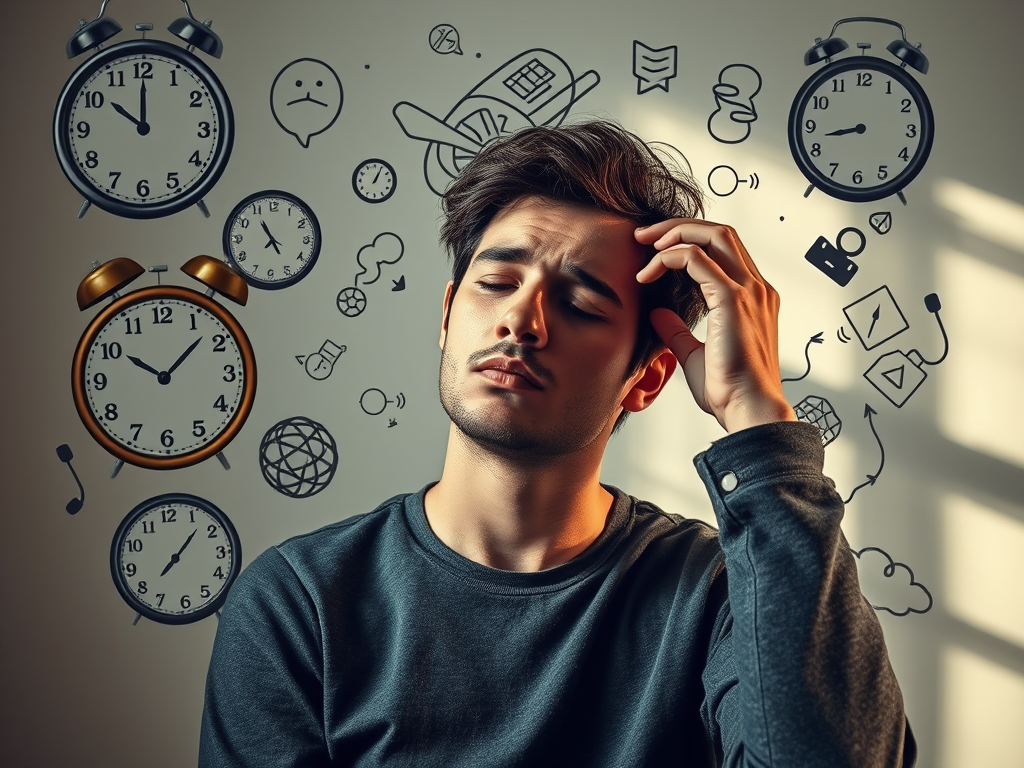
We tend to think of stress as a feeling – something emotional or mental. But stress doesn’t just live in your head. It lives in your body. And sometimes, the physical symptoms of stress we brush off or treat as isolated issues, are actually our body’s way of saying:
I can’t keep living like this.
What surprised me most was just how physical stress can be.
For me, it showed up in headaches, gut issues, and a stiff, painful shoulder that just wouldn’t settle. Later, I developed sciatic pain too. I thought all these things were separate. But when I finally took a proper break – two full months away from work – most of these symptoms eased dramatically. Some disappeared completely.
It wasn’t magic. It was nervous system recovery.
What Stress Does to Your Body – And Why It Matters
When you’re under stress, your body shifts into fight-or-flight mode – a short-term survival state that’s great in emergencies but harmful when it becomes your daily baseline.
In this state:
- Your muscles tense up
- Your digestion slows down
- Your immune system weakens
- Your hormones shift
- Inflammation increases, affecting everything from joints to skin
We’ve all felt it – the racing heart, the tight jaw, the churning stomach. Now imagine your body stuck in that state for weeks, months, or even years. That’s what chronic stress does.
Over time, it chips away at your resilience. It disrupts healing. It makes you more prone to illness and slower to recover. And it shows up in ways most of us don’t even associate with stress – until we stop and connect the dots.
According to Harvard Medical School, long-term activation of the stress response can interfere with nearly every system in the body.
Physical Symptoms of Stress You Might Not Realise Are Related
Stress doesn’t always scream. Sometimes it whispers – through physical discomforts we learn to tolerate, medicate, or ignore.
Here’s a list of common physical symptoms of stress, as also outlined by the Mayo Clinic and American Psychological Association.
Brain & Nervous System
- Headaches and migraines
- Brain fog
- Insomnia
- Anxiety and depression
- Mood swings
- Shaky hands or twitching
- Dizziness or feeling faint
Heart & Circulation
- High blood pressure
- Rapid heart rate
- Risk of heart attack or stroke
- Poor circulation
- Raised inflammation markers
Digestive System
- Bloating and gas
- Constipation or diarrhoea
- Acid reflux
- Nausea
- IBS
- Appetite changes
Mouth & Jaw
- Periodontal (gum) disease
- Mouth ulcers or cold sores
- Teeth grinding (bruxism)
- Jaw clenching
- Dry mouth
Immune System
- Frequent colds or infections
- Slow wound healing
- Heightened allergies
- Autoimmune flare-ups
Muscles & Joints
- Neck, shoulder, or back tension
- Frozen shoulder
- Sciatic pain
- Aches, cramps, stiffness
- Fibromyalgia symptoms
- TMJ or jaw pain
Hormonal
- Irregular or painful periods
- Hot flushes or night sweats
- Low libido
- Thyroid disruptions
- Worsening of perimenopause symptoms
Skin & Hair
- Acne or breakouts
- Rashes, hives, or eczema
- Hair thinning
- Sensitive skin
Breathing
- Shallow breathing
- Asthma flare-ups
- Breath-holding without realising
Other
- Fatigue or burnout
- Eye twitching
- Muscle spasms
- Trouble focusing
- Worsening of chronic health conditions
Why We Don’t Like to Blame Stress
Often when we’re dealing with physical issues, we (or someone well-meaning) try to explain them: maybe it was something we ate, maybe it’s age, posture, a virus, or hormones. And sure – sometimes it is.
But stress rarely gets mentioned, as if by suggesting it’s stress we’re somehow admitting defeat. As if it’s not a “real” reason. Or worse – that it means it’s all in our head.
But stress is real. It’s biological. It alters our hormones, weakens our immune system, and impacts circulation, digestion, sleep, and inflammation – everything.
There are always many variables, and sometimes we can’t know for sure. But stress may be the primary reason – or at the very least, it can amplify symptoms, lower our resilience, and make us more vulnerable to illness or slower to recover from it.
I’m not saying we should blame stress for everything.
I’m saying we should give it the weight it deserves.
What Happens When You Finally Rest
When you step out of chronic stress – even temporarily – your body shifts into rest-and-repair mode. That’s when real healing begins.
During my two-month break earlier this year, I didn’t change my diet or exercise regime dramatically, start a new supplement plan, or do anything extreme. I made a few small, healthy adjustments – but nothing radical.
And yet, something remarkable happened:
- My sciatic pain disappeared
- My digestion improved
- I started sleeping better
- And – to my (and my Doctor’s) surprise – my cholesterol dropped from 6.3 to 4.9
I’ve always eaten relatively well, so I’m almost certain that such a big shift wasn’t just what I was eating – it was how I was living.
Less cortisol. More rest. Fewer spikes of adrenaline. My body finally had time to reset, and it showed – not just in how I felt, but in actual numbers.
How to Tell If Stress Reduction Is Working
You don’t need a lab test to know you’re healing. Here are some signs to watch for:
- Headaches are less frequent or intense
- Your digestion feels easier, more predictable
- Pain levels drop – even a little
- Sleep comes more easily
- You feel calmer in your body, not just in your mind
- Your jaw or shoulders aren’t as tight
- You get sick less often
- Your fuse isn’t as short
Start keeping a simple note in your phone or journal – just one line a day. Over time, you’ll spot patterns. And progress.
Small Changes That Create Big Shifts
You don’t need to overhaul your life. Just give your nervous system space to come down from red alert.
Here’s where to start:
- Breathe deeply, especially on the exhale
- Stretch your body, even for 2–3 minutes
- Limit multitasking – one thing at a time is enough
- Take breaks, even short ones
- Get outside and let nature recalibrate your senses
- Write things down to offload mental clutter
- Talk to someone – connection calms the body
Final Thoughts
The more I learn about the body’s response to stress, the more I realise how much we’ve normalised living in survival mode. We treat things like headaches, fatigue, bloating, or muscle pain as random inconveniences – but so often, they’re messages from a body that’s been trying to cope for too long.
You don’t have to wait for a breakdown to listen to your body. You just have to be willing to believe it when it whispers.
Stress may be invisible, but its impact is not. The good news? Healing is possible – and it often begins not with doing more, but with doing less, on purpose.
What I’ve learned – and I think we’re all slowly learning this – is that mental and physical health aren’t separate. They’re part of one system, constantly communicating through the mind, body, and nervous system. When one is under strain, the other feels it. When one begins to heal, the other follows.
I look forward to a time when we no longer feel the need to differentiate between the two, or question which is more valid or more real. Because true wellbeing means treating the whole person – mind and body – as one.
Join the Conversation